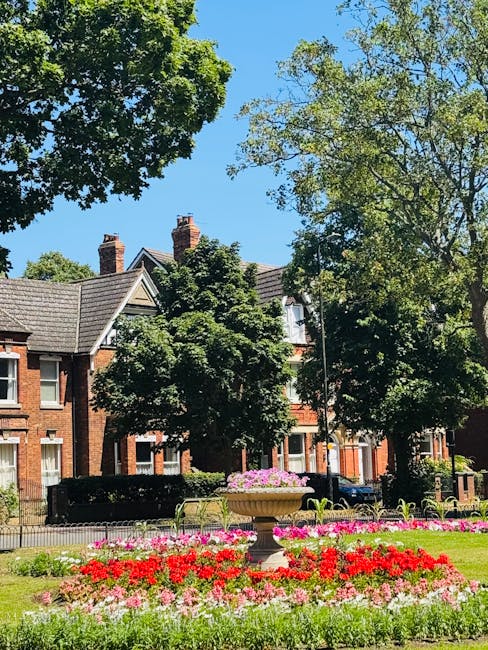
Wood Green gardeners guide for front gardens on Green Lanes

Front gardens on Green Lanes have a particular job to do. They welcome visitors, soften the street scene, and quietly say something about the home before anyone even reaches the door. In Wood Green, where you get a mix of terraced homes, set-back bays, compact plots, and busy pavement edges, a good front garden needs to look neat without becoming high-maintenance. That balance is the whole game, really.
This Wood Green gardeners guide for front gardens on Green Lanes is designed to help you make sensible decisions, avoid common mistakes, and get a front space that actually works through the seasons. Whether you want better kerb appeal, easier upkeep, or a more practical layout for a busy household, the advice below is grounded in what tends to work best on real London streets. And yes, sometimes the smartest garden is the one that does less, not more.
Expert summary: A successful front garden on Green Lanes usually combines clear boundaries, reliable planting, tidy hard edges, and low-fuss maintenance. Aim for structure first, then add plants and details that can cope with shade, heat, pollution, and day-to-day foot traffic.
If you are planning a fuller refresh, it can also help to look at broader support such as the services overview, garden maintenance, or landscape gardening when you need a more designed outcome rather than just a quick tidy-up.
Why Wood Green gardeners guide for front gardens on Green Lanes Matters
Front gardens are not just decorative. On streets like Green Lanes, they deal with a lot: heavy footfall, parked cars, dust, shade from neighbouring buildings, compacted soil, and the constant pressure to look decent in every season. A front garden can go from "fine" to scruffy surprisingly quickly if it is not planned with local conditions in mind.
That is why a local approach matters. A front garden in Wood Green often has to be more resilient than ornamental. It may need to stay tidy when the weather flips, cope with a narrow strip of soil, or stay manageable for people who do not want to spend every weekend out there with shears and a rake. To be fair, most people just want it to look cared for. Not perfect. Just cared for.
Green Lanes also brings a certain visual rhythm. Some homes have elegant period details; others are more practical and compact. Either way, the front garden becomes part of the street's overall feel. A well-kept frontage can make a property look brighter, more welcoming, and more settled. A neglected one does the opposite, even when the house itself is lovely inside.
In real terms, this is about making the entrance area easier to live with. The right edging, planting, and maintenance routine can reduce mess on paths, stop overgrowth from swallowing the space, and keep the garden from feeling like another chore waiting to happen. That is often the difference between a front garden you enjoy and one you avoid looking at. Which, let's face it, is a fairly common London story.
How Wood Green gardeners guide for front gardens on Green Lanes Works
The best front gardens are usually built in layers. First comes function, then structure, then planting, then the maintenance rhythm that keeps everything under control. If you get those in the right order, the whole thing becomes much easier to manage.
Here is the practical version:
- Assess the space honestly. Look at light, soil condition, slope, drainage, and how people actually move through the area.
- Decide the main purpose. Is it for appearance, privacy, accessibility, low maintenance, or a bit of all four?
- Choose a layout that fits the frontage. Narrow strips, bay-fronted spaces, and small enclosed plots all need different treatment.
- Set the hard edges. Clean borders, defined paths, and tidy boundary lines make even simple planting look more intentional.
- Select plants that can cope. Low-maintenance plants usually outperform fussy ones in exposed or polluted roadside settings.
- Build a maintenance routine. Light, regular care almost always beats occasional rescue work.
That is the broad method. In practice, it may also involve cutting back hedges, clearing a tired planting bed, reducing a lawn area, or improving the layout so the front garden feels less cluttered. For many properties, hedge trimming and lawn mowing are part of the same front-garden strategy, not separate jobs.
And when a front garden has become overgrown or used as a storage zone for old pots, broken slabs, and stray branches, a proper reset may start with garden clearance. A clean slate helps. Sometimes a lot. You can't really design around chaos forever.
Key Benefits and Practical Advantages
A well-planned front garden does more than look nice. The benefits are practical, and they show up every day.
- Better kerb appeal: A tidy frontage improves first impressions without needing expensive features.
- Less ongoing work: Smart planting and clear structure reduce weekend maintenance.
- Cleaner access: Better edges and layout can make paths safer and more usable.
- More privacy: Subtle screening can soften views from the street without making the house feel shut in.
- Improved space use: Even a small front garden can be more functional with the right design.
- Better seasonal performance: Resilient planting tends to hold up better in heat, wind, shade, and intermittent neglect. Truth be told, that last one matters more than people admit.
There is also a quiet financial logic here. A neat, workable front garden often helps the property feel better cared for overall, which matters when buyers or visitors are forming impressions quickly. But the bigger gain is personal: it becomes easier to live with. You notice it on dark winter mornings and bright summer evenings alike.
For households that want a reliable routine rather than one-off interventions, garden maintenance can keep the front area from slipping back into disorder. And if the frontage is being rebuilt or redesigned, landscaping can help create a layout that feels more natural to the property.
Who This Is For and When It Makes Sense
This kind of front-garden planning makes sense for a wide range of people, but a few groups benefit most.
Homeowners who want lower maintenance
If you are tired of trimming, weeding, sweeping, and re-doing the same bits again and again, a simpler front garden is a smart move. Fewer awkward corners, fewer thirsty plants, more structure. Simple is not boring when it is done well.
Buy-to-let or rental property owners
Front gardens on busy streets need to stay presentable without consuming too much time or budget. A dependable design keeps the property looking respected, even between tenancies or during hectic months.
Busy families
If the front garden doubles as the route for bikes, bins, prams, or daily comings and goings, it needs to stay clear and safe. Families often need surfaces that are easy to walk on and planting that does not snag sleeves or drop endless debris.
Older homeowners or people with mobility concerns
Less bending, less lifting, fewer complicated borders. A front garden can absolutely be beautiful and accessible at the same time. In fact, it is often better when it is.
People preparing to sell
A smart front garden can lift the feel of the whole property fast. If time is tight, prioritise visible impact: clean edging, healthy planting, fresh mulch, and a tidy path line.
There are also moments when the job goes beyond routine gardening. If the front garden has become uneven, poorly laid out, or difficult to use, a broader planning phase through landscape gardening can make the space work much harder for you.
Step-by-Step Guidance
If you are working on a front garden on Green Lanes, here is a sensible order of operations. You do not need to do everything at once. In fact, trying to fix everything in one afternoon is a good way to make a mess and lose enthusiasm by tea-time.
1. Start with a clean assessment
Stand at the pavement and look at the front garden the way a visitor would. What draws the eye first? Is it the path, the plants, the hedge, the bins, the weeds? This quick view often reveals the real problem immediately.
2. Remove clutter and dead material
Cut out dead growth, lift broken containers, clear piles of debris, and get rid of anything that is only there because it has been there for years. A lot of front-garden improvement starts with subtraction.
3. Decide what needs to stay
Sometimes a mature shrub or tree is worth keeping. Sometimes it is just taking up light and space. Be honest. Keep the features that earn their place. Remove the rest. If a tree is causing safety or access issues, it may need careful attention from tree lopping and removal, but that should always be handled thoughtfully.
4. Fix the edges
Good edging changes everything. A straight border, a clear path line, or a defined lawn edge can make the whole front garden feel tidier in a single afternoon. It also reduces visual noise, which is especially useful near a busy road.
5. Choose a simple plant structure
Use a small number of repeated plants rather than too many different ones. Repetition looks calmer and is easier to maintain. A strong front garden usually has a framework: perhaps evergreen structure, seasonal colour, and one or two focal points.
6. Balance softness and practicality
You want the garden to feel alive, but not overgrown. That means avoiding plants that sprawl across paths or create constant leaf litter unless you are prepared for the upkeep.
7. Set a maintenance rhythm
Weekly quick checks. Monthly tidying. Seasonal pruning. That is the kind of rhythm that keeps things looking good without becoming a burden. Small and steady beats heroic and occasional, nearly every time.
Expert Tips for Better Results
Here are the kinds of details that make a noticeable difference in real life, not just in a neat before-and-after photo.
- Use repetition. Repeated shapes or plant types look more refined than a busy mix of one-off specimens.
- Choose evergreen structure. It keeps the front garden looking intentional in winter, when a lot of spaces suddenly look bare.
- Keep the path clear. It sounds obvious, but plants leaning into walkways create an untidy feel fast.
- Think about sightlines. From the pavement, what is visible first? Put the strongest feature there.
- Mulch lightly and consistently. It helps with moisture retention and makes the soil look cared for.
- Do not overfill the space. Small front gardens can become crowded very quickly. Leave breathing room.
- Plan for rain. Drainage matters in London. Soggy front borders become compacted and ugly, then everyone blames the plants. Poor plants, honestly.
A useful rule of thumb is to design for the worst week, not the best day. If your front garden looks decent after three wet mornings and a windy weekend, you are onto something.
If you want a more polished finish, small extras like a refreshed boundary, improved steps, or a modest seating edge can help. For that kind of work, it may be worth exploring decking services as part of a broader front or threshold improvement, where appropriate.
Common Mistakes to Avoid
Most front-garden problems are not dramatic. They are the result of small, repeated errors. The good news? Those are easier to fix than people think.
- Planting too densely. It looks full for a month and then becomes a maintenance headache.
- Choosing plants only for flowers. You need year-round structure, not just a brief burst of colour.
- Ignoring the path and entrance. A nice border is wasted if the access route feels awkward or cluttered.
- Using materials that weather badly. Cheap edging, loose gravel in the wrong place, or unstable surfaces can create more work later.
- Leaving maintenance until it feels "really bad". By then, you are usually facing a bigger reset.
- Forgetting shade and pollution. Roadside gardens are not the same as sheltered back gardens.
Another common issue is overcomplication. People want variety, which is fair enough, but too many materials, textures, and plant types can make a small frontage feel crowded. A cleaner design often ages better and looks more expensive, even when it is actually simpler.
Tools, Resources and Recommendations
You do not need a van full of equipment to keep a front garden looking good. A few reliable tools and materials go a long way.
Useful tools
- Sharp hand shears for light shaping
- Secateurs for pruning and deadheading
- A stiff broom for paths and edges
- A border spade or edging tool
- Gloves that you actually like wearing
- A hose or watering can for new planting
Useful materials
- Quality compost for planting beds
- Mulch for moisture control and tidier surface appearance
- Simple edging to define borders
- Low-maintenance plants suited to local conditions
For larger clear-outs or when you are not sure where to start, a professional garden clearance can save a lot of time. It is often the quickest route from "messy" to "manageable".
If you are comparing support options, it can help to look at the wider range of work available through services overview so you can match the job to the level of help you actually need. No point paying for a full redesign if what you really need is sharp maintenance and a bit of structure.
Law, Compliance, Standards, or Best Practice
Front gardens on Green Lanes are not usually about complex regulation, but there are still important standards and best practices to keep in mind. A sensible approach here protects both your property and the people using it.
Access and safety matter first. Keep entrances, paths, and steps clear, and avoid layouts that create trip hazards. Surfaces should be stable and not so slippery or uneven that they become awkward in wet weather. This is especially relevant for front gardens that see constant use from family members, visitors, delivery drivers, or anyone carrying bags up the path.
Boundary work and trimming should be done carefully. Hedges, shrubs, and small trees must not obstruct sightlines, pathways, or street access. If branches are leaning over pavements or causing practical problems, the safest response is usually a proper inspection and measured reduction, not a rushed cut.
Waste handling should also be sensible. Green waste, soil, and removed material should be dealt with responsibly, especially during larger jobs. Many homeowners prefer services that build sustainability into the process rather than treating waste as an afterthought. If that matters to you, it is worth reading about recycling and sustainability.
There are also business standards worth noticing if you hire help. Look for clarity on quotes, payment expectations, insurance, and safe working practice. These are not flashy details, but they matter. A garden job should feel organised, not improvised.
For reassurance around professional standards, it can be worth checking related information such as insurance and safety and health and safety policy. That is especially useful for more involved work or any site with access concerns.
Options, Methods, or Comparison Table
Different front gardens need different methods. A stripped-back maintenance approach is not the same as a full redesign, and both can be right depending on the situation.
| Approach | Best for | Pros | Watch-outs |
|---|---|---|---|
| Routine tidying | Front gardens that are already in decent shape | Low cost, quick, keeps things neat | Does not fix weak layout or tired planting |
| Targeted maintenance | Spaces with overgrowth, uneven edges, or seasonal decline | Improves presentation without full redesign | Needs regular follow-up |
| Full landscaping | Front gardens with poor layout, drainage, or access | Can transform the space and reduce future hassle | More planning, more investment, more decisions |
| Selective clearance and rebuild | Very neglected or cluttered front gardens | Fast reset, clears the way for a better design | Requires a clear plan afterwards or the mess returns |
In many cases, the right solution is a mix. Clear the worst areas, trim back what has become unmanageable, and then put in a simple structure that can be maintained without drama. That middle ground is often the sweet spot.
Where regular upkeep is the priority, lawn mowing and hedge trimming can keep the frontage sharp without needing a major overhaul every time. Not glamorous, perhaps. But effective.
Case Study or Real-World Example
Imagine a typical Green Lanes frontage: a narrow front garden with a tired hedge, patchy lawn, a couple of uneven borders, and a path that has become the main visual feature because everything else is a bit unruly. Nothing extreme. Just one of those spaces that has slowly slipped over a year or two.
The first sensible move is not to add more plants. It is to remove visual clutter. A tidy clearance, a hedge reduction, and a proper edge reset can immediately change the feel of the space. Once that is done, the layout becomes easier to understand. Suddenly you can see where the path is leading, where the light lands, and where planting will actually be visible.
From there, the front garden can be rebuilt around a few straightforward ideas: repeat a small number of hardy plants, keep the centreline clear, and make the borders easier to maintain. The result is usually not flashy, but it feels calmer. Neater. More intentional. And importantly, it stays that way longer.
That is often what people want in Wood Green. Not a show garden. A good garden. One that looks like someone cares, without needing a full-time gardener and a heroic attitude every Saturday morning.
Practical Checklist
Use this checklist if you are planning work on a front garden along Green Lanes.
- Assess light, shade, and drainage before choosing plants
- Clear clutter, dead growth, and forgotten materials first
- Keep the path and entrance unobstructed
- Define edges clearly with borders or edging
- Choose a small palette of reliable plants
- Use evergreen structure for year-round presence
- Plan for regular light maintenance, not occasional rescue work
- Check whether hedges or trees are affecting access or sightlines
- Think about how the garden looks from the pavement, not just from inside
- Make sure waste is removed and handled responsibly
- Review whether the space needs maintenance, clearance, or a larger redesign
If you can tick most of those boxes, you are already ahead of the game.
Conclusion
A front garden on Green Lanes does not need to be complicated to work well. In fact, the best ones usually are not. They are clear, tidy, resilient, and easy to maintain. They make the house feel cared for and the arrival experience feel calmer, which is no small thing on a busy London street.
The real trick is to design for everyday life. Not for a single sunny afternoon. Not for a photo. For rain, wind, busy mornings, and the occasional month when nobody has time to think about the garden at all. If it still looks decent then, you have got it right.
For homeowners who want support with keeping things neat, improving structure, or starting from scratch, a balanced approach using maintenance, clearance, and thoughtful landscaping usually gives the best long-term result. Simple, sensible, and not overdone. That is the sweet spot.
Get a free quote today and see how much you can save.
And if you are still deciding, that is fine too. A good front garden is a gradual thing, built one sensible choice at a time.
Frequently Asked Questions
What makes a good front garden on Green Lanes?
A good front garden on Green Lanes is usually neat, low-maintenance, and easy to access. It should suit the property, cope with local conditions, and look presentable through most of the year without constant fuss.
How often should a front garden be maintained?
Most front gardens benefit from light weekly checks, monthly tidying, and seasonal pruning or reshaping. Little and often is usually far easier than letting everything build up.
Can a small front garden still look impressive?
Yes, absolutely. Small spaces often look best when they are simple, well-edged, and not overplanted. A narrow front garden can feel surprisingly polished with the right structure.
What plants work well for roadside front gardens?
Hardy, resilient plants that cope well with wind, shade, and pollution are often the safest choice. Evergreen structure, seasonal colour, and plants that do not spill into paths tend to work well.
Do front gardens need professional help?
Not always, but professional help makes sense if the space is overgrown, poorly laid out, or difficult to maintain. It also helps when you want a more polished result without trial and error.
What is the difference between garden maintenance and landscaping?
Garden maintenance keeps an existing space tidy and healthy. Landscaping changes the structure, layout, or materials of the garden. One keeps things going; the other reshapes the space.
Should I remove a hedge if it blocks the front of the house?
Not automatically. Sometimes a hedge can be reduced rather than removed. The right decision depends on access, light, privacy, and how much space you have to work with.
How do I make a front garden look tidy fast?
Clear debris, sharpen the edges, cut back overgrowth, and keep the entrance route open. Those four steps make a bigger difference than many people expect.
Is garden clearance worth it before redesigning a front garden?
Yes, in many cases it is the smartest first step. Clearing away dead plants, clutter, and old materials makes it much easier to see what the space can become.
What should I ask before booking gardening help?
Ask what is included, how waste is handled, whether the work is insured, and whether the plan is maintenance, clearance, or a redesign. Clear expectations at the start prevent annoying surprises later.
How do I keep a front garden low-maintenance without making it bland?
Use repetition, evergreen structure, and a few strong focal points. You do not need lots of different plants to create interest. Often, restraint gives a better result.
Can landscaping help with drainage or awkward layouts?
Yes. Good landscaping can improve levels, reroute movement, and make a front garden easier to live with. If the current layout feels clumsy, a redesign may be the most practical fix.